The Regulatory Moat Is a Promise Written Down
A fire marshal walks into a building with a clipboard and asks to see the tags. That is the entire encounter. No speech, no ceremony. Somebody wrote down, years ago, that this system would be tested on a schedule by a qualified person, and today a stranger with authority has arrived to see whether the writing was honored. That is where a regulatory moat begins. It begins as a promise.
September 17 is Constitution Day and Citizenship Day. On that date in 1787 the delegates in Philadelphia signed a document and then went home to argue about whether their states should ratify it. What they had produced was a written rule that would bind people who had never agreed to it in person, including everyone reading this. The whole American habit of putting an obligation in writing and then holding it enforceable descends from that afternoon.

Where a regulatory moat comes from
We buy service businesses whose revenue is mandated by code. That is a commercial sentence with a civic origin. A regulatory moat begins as a promise a society made to itself about the consequence of failure, and then wrote down so that it would still apply after the people who made it had moved on.
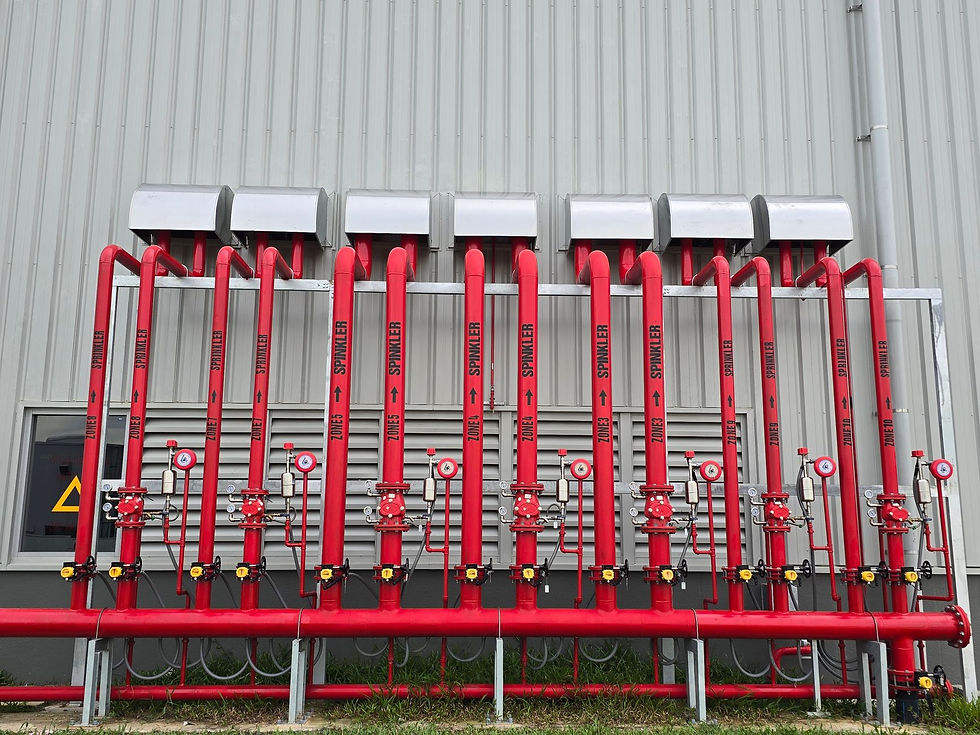
The annual fire pump flow test happens because a code says it must. The relay calibration on a substation protection scheme happens because a reliability standard says it must. The accredited calibration certificate on a piece of test equipment happens because a laboratory standard says it must. The gas leak survey along a distribution main happens because a federal pipeline rule says it must. In every case the customer is buying compliance with a written obligation, and the company performing the work is the mechanism by which a public promise gets kept.
That is where recurring revenue comes from in our verticals, and it is why we ask for 60% or more of it. Revenue tied to a written obligation renews through a recession, through a change of building owner, and through a change of administration, because the obligation renews. Revenue tied to discretionary spending does none of that. We took that apart in The Recurring Revenue Premium in a Business Sale.
Citizenship, in the everyday sense
The second half of the day is Citizenship Day, and it honors people who became citizens by choosing to. Both of us are the children of that choice in the broader sense. Faith, hard work, and honest dealing were the terms our families understood, and they turned out to be the terms of the work as well.
There is a version of citizenship that shows up in a service van at seven in the morning. A technician signs an inspection report and puts a name on it. That signature is a personal warrant, made to a stranger, that the work was done as written. The building owner will never meet that technician. The tenant will never read that report. The signature holds anyway. A country runs on several hundred million small warrants like that, kept by people who will get no credit for keeping them.
What this means for a founder
If you built one of these companies, you built an institution that holds a public promise. The licenses, the accreditations, the trained and qualified technicians, the 30 year relationship with a customer who has never once put the work out to bid, all of that is a form of civic infrastructure that happens to be privately owned.
We are operators, and we treat that seriously. Franklin came up through defense and aerospace programs at Northrop Grumman and Eaton. Olu came up through digital infrastructure at Equinix and Verizon. When we acquire a company, the name stays on the building, the crew stays on the payroll, and the accreditations stay current, because those three things are what the promise is made of.
If you are starting to think about what comes next for your business, we would value one conversation. No process and no pressure.
Frequently Asked Questions
What is a regulatory moat?
A regulatory moat begins as a promise a society made to itself about the consequence of failure, and then wrote down so that it would still apply after the people who made it had moved on.
Why does Worlá Capital require 60% or more recurring revenue?
Revenue tied to a written obligation renews through a recession, through a change of building owner, and through a change of administration, because the obligation renews. Revenue tied to discretionary spending does none of that.
What does Worlá Capital preserve after an acquisition?
When we acquire a company, the name stays on the building, the crew stays on the payroll, and the accreditations stay current, because those three things are what the promise is made of.
Related Worlá Capital Insights
You can learn how we think at worla-capital.com.
Worlá Capital


