Transformer Lifecycle Services: The Grid Behind Load Growth
Load growth becomes an operating problem the moment a needed transformer is unavailable. For utility leaders, facility operators, and owners of the service businesses that support them, the consequence reaches far beyond a delayed equipment order. It affects project timing, outage exposure, capital planning, technician capacity, and the reliability customers experience every day.
That is why transformer lifecycle services are moving higher on the executive agenda. The equipment may sit quietly for decades, yet its condition, maintenance history, parts availability, and service coverage can determine whether new infrastructure connects on time and existing infrastructure remains dependable.
Why transformer lifecycle services matter now
The U.S. Department of Energy’s July 2026 draft National Transmission Needs Study identifies a pressing need for additional electric transmission infrastructure as data centers, domestic manufacturing, large industrial loads, and electrification increase demand. The consultation draft assesses needs and constraints. It does not prescribe specific projects or outcomes.
A March 5, 2026 Department of Energy transformer webinar described transformers as fundamental building blocks of the grid and highlighted aging infrastructure alongside shortages of critical components. Those conditions place greater weight on the service layer around each asset.
The operating implication is direct. Every new substation, industrial expansion, data center, and transmission upgrade creates an installed base that must be inspected, tested, maintained, repaired, and eventually replaced. Equipment supply solves one part of the requirement. Lifecycle execution determines whether that equipment remains available through changing loads, weather, and operating conditions.

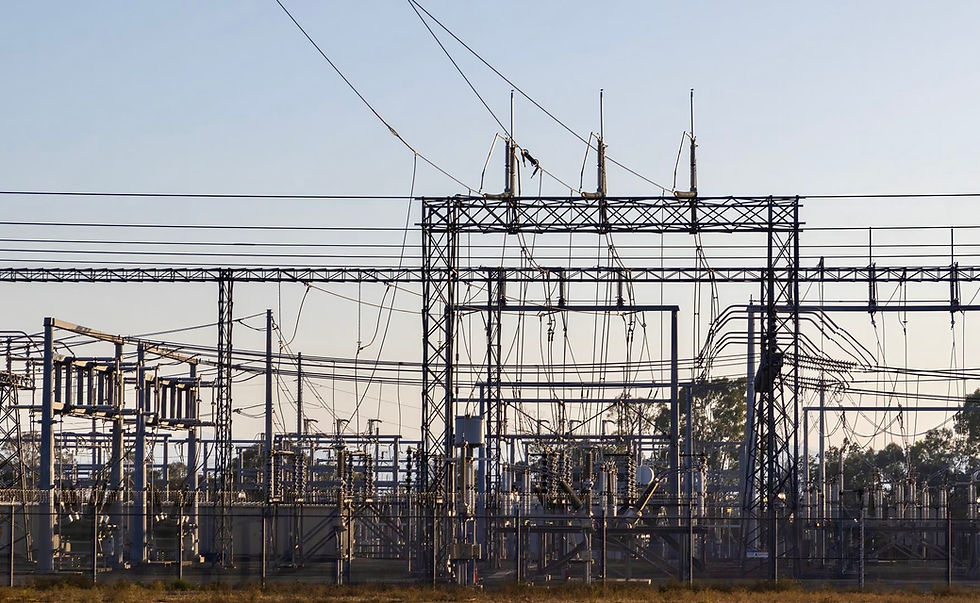
Utility technicians inspect an outdoor transformer substation. Photo by Rene Terp on Pexels.
What transformer lifecycle services include
Transformer lifecycle services span the decisions and field work that protect equipment from commissioning through retirement. The most valuable providers connect technical judgment, safety discipline, documentation, and response capability across the full life of the asset.
Commissioning and acceptance testing that establish an operating baseline before equipment enters service.
Routine inspection, electrical testing, oil sampling, monitoring, and condition assessment that identify emerging risks.
Preventive and predictive maintenance programs aligned with asset criticality, loading, environment, and outage windows.
Field repair, shop repair, remanufacturing, and component replacement that restore usable life where the technical case supports it.
Emergency response, logistics, rigging, transport coordination, and parts support when equipment availability is threatened.
Asset records and end-of-life planning that help leaders sequence repairs, replacements, spares, and capital spending.
Where the real bottleneck appears
Transformer capacity is often discussed as a manufacturing and procurement issue. Service capacity deserves equal attention. A transformer can be physically available while the surrounding technician coverage, testing equipment, outage coordination, safety controls, and documentation remain constrained.
The workforce requirement is also growing. The U.S. Bureau of Labor Statistics projects employment for industrial machinery mechanics, machinery maintenance workers, and millwrights to grow 13% from 2024 through 2034, with about 54,200 openings each year on average. That is a projection, and it signals sustained competition for people who can inspect, diagnose, and repair critical equipment.
For owners of specialized service businesses, the labor constraint carries a second-order consequence. Growth can weaken service quality when recruiting, apprenticeship, supervision, and field documentation do not expand together. The strongest operators build technician development as an operating system, with repeatable training, qualification paths, safety routines, and experienced field leadership.

An electrical technician inspects industrial power equipment. Photo by Fatih Yurtman on Pexels.
What executives should evaluate
Leaders assessing transformer service capacity should begin with the installed base and the consequence of failure. A practical review connects engineering facts to operating decisions:
Which transformers and related assets carry the highest operational consequence?
What condition evidence exists, and when was each asset last inspected or tested?
Which outage windows, crews, test sets, parts, and specialist capabilities are required?
Where does the organization rely on one technician, one vendor, one repair shop, or one spare?
How quickly can the service network respond across normal operations and a regional event?
Which assets merit continued maintenance, repair, remanufacture, replacement, or a dedicated spare strategy?
This review changes capital allocation. It helps organizations direct scarce technicians and outage time toward the assets that carry the greatest operational consequence. It also gives service providers a stronger basis for recurring inspection programs, multi-site agreements, planned maintenance, and customer communication.
Why founder-led service businesses matter
Many transformer testing, repair, and field-service companies were built around practical knowledge earned over years in substations, plants, and critical facilities. Customers remember who answered the call, diagnosed the problem accurately, worked safely, and returned the asset to service.
That trust can support durable customer relationships. It can also concentrate knowledge inside a small group of senior technicians or the founder. The next stage of growth depends on transferring judgment into training, supervision, operating procedures, customer coverage, and leadership depth while preserving the field standard that built the reputation.
The Upper Midwest operating implication
Across the Upper Midwest, utilities and industrial operators manage wide service territories, seasonal weather exposure, manufacturing loads, and growing demand from critical facilities. The regional opportunity belongs to service organizations that can combine local response, technical depth, safety performance, and disciplined asset records across multiple sites.
For business owners, this creates a practical strategic question: can the organization convert trusted field work into a scalable lifecycle platform while keeping the customer experience intact? The answer depends on technician development, branch coverage, testing capability, parts strategy, operating data, and management depth.
Frequently asked questions
What are transformer lifecycle services?
Transformer lifecycle services cover inspection, electrical testing, condition assessment, oil analysis, monitoring, maintenance, repair, remanufacturing, field response, parts support, and end-of-life planning for transformers and related substation equipment.
Why do transformer services matter for grid reliability?
Transformers connect generation, transmission, distribution, industrial facilities, and critical loads. Disciplined service helps operators identify deterioration, plan outages, preserve equipment availability, and respond when a failure threatens continuity.
What makes a transformer service company durable?
Durability often comes from qualified technicians, trusted utility and industrial relationships, recurring inspection and testing programs, safety discipline, response coverage, specialized equipment, parts access, and documented field execution.
How should leaders assess transformer service capacity?
Leaders should evaluate installed equipment, age and condition, criticality, outage windows, inspection history, technician coverage, response times, spare strategy, parts access, and the decision rules for repair, remanufacture, replacement, or retirement.
The operating priority
Transformer availability has become an operating priority for grid planners, utilities, industrial companies, and critical facilities. The service businesses around these assets help turn new investment into dependable capacity and help existing equipment carry its responsibility longer.
Related Worlá Capital insights include When the Lights Get Heavier, Data Center Reliability Services: The Work Behind AI, and Mission Critical Services and the Ones Who Show Up.
Worlá Capital works with founders and operators who protect essential systems through utility infrastructure, data center services, compliance and safety, and specialized equipment maintenance. If this is the work you carry, we would welcome a thoughtful conversation at worla-capital.com.
Worlá Capital