The Businesses That Build Lasting Wealth
Updated: Aug 25

For owners and operators, essential businesses and lasting wealth shape business durability, transfer readiness, and long-term value.
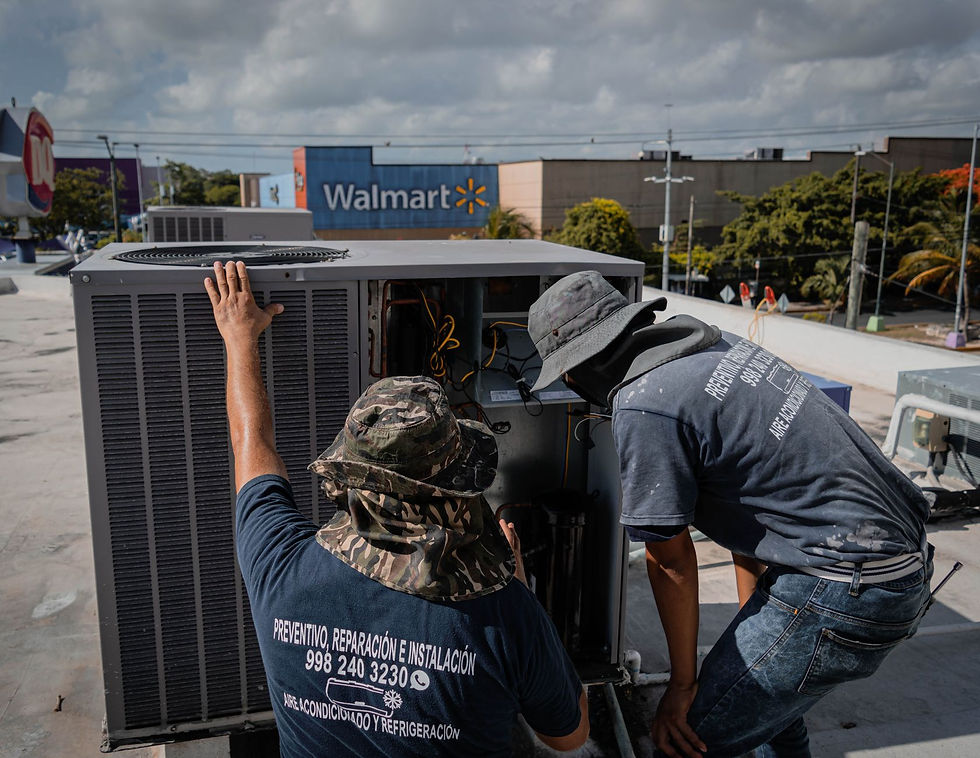
The companies that build the most enduring wealth rarely make the news, and they were never trying to. They grow through dependable service, customer trust, and operating discipline that compounds over time. They are the essential ones: the company that keeps a building safe, the crew that keeps a system running, the business a community leans on year after year, whether or not anyone stops to notice.
That is the kind of wealth we admire. Most capital chases growth that is visible and immediate, and in doing so it overlooks the slower compounding that comes from doing necessary work reliably for a very long time. A business like that is often misread; what looks understated on the surface is usually a model of resilience underneath, and that resilience is exactly what lets value compound rather than spike and fade.
The Discipline Behind Lasting Wealth
Durable businesses are built through hard-won habits, practiced steadily over decades: showing up when the work is inconvenient, doing the job right when no one would notice if it were done halfway, standing behind the work when it matters most, especially when standing behind it costs money in the short term. Reinvesting consistently in the people and equipment that make the service dependable.
That discipline produces durable value over long periods. It is what earns the kind of trust a customer will not walk away from, and that trust is the real mechanism behind lasting wealth. A customer who trusts the crew that shows up does not go hunting for three competing bids the next time something breaks; they call the number they already have. Repeat that habit across hundreds of customers over many years, and you have what a spreadsheet calls a low churn rate and what an owner simply calls a reputation.
Why Essential Businesses Compound
The mechanism is worth stating plainly, because it explains why patient capital and essential businesses belong together. A business tied to a code-mandated inspection, a regulated environmental obligation, or a piece of infrastructure that cannot fail does not need to win a new customer to justify next year's revenue; it needs to keep the ones it already has, which is far easier and far cheaper than constant new-customer acquisition. Over ten or twenty years, the gap between a business that must be rebuilt every year and one that renews on its own becomes enormous, even when the two looked alike in any single year along the way.
This is also why the excitement cycles of the market rarely touch these companies, for better and for worse. They do not get bid up in a boom, and they do not get abandoned in a downturn, because the demand for the work was never tied to sentiment in the first place. A building still needs its systems inspected, regardless of the headlines. That steadiness is the entire reason the wealth these businesses generate tends to last well past the founder's own involvement.
What This Looks Like Up Close
An essential business that compounds well tends to share a few habits. Pricing is disciplined rather than promotional, because the owner knows the true cost of doing the work correctly and refuses to erode the margin that pays for quality. Customer relationships are personal enough that a problem gets solved with a phone call, not a legal notice. Equipment and training are treated as investments, not expenses, because a crew that is well equipped and well trained produces fewer failures, and fewer failures are what keep a reputation intact for decades.
No single one of these habits shows up as a line on a financial statement; together, they are the difference between a business that is merely profitable this year and one that is genuinely durable. A careful buyer learns to read for them directly: by talking to the crew, by asking how long customers have stayed, and by understanding what actually happens when something goes wrong.
Why We Choose Patience
We are patient by design. We are here to be careful stewards of businesses that earned their place by being dependable, and to help them keep compounding for the people who count on them: the employees who built their careers there, the customers who trust the work, and the community that relies on the job getting done without having to think about it.
Patience also changes what we choose to fix and what we choose to leave alone. A short-term buyer often trims the very things that created the compounding in the first place: the extra technician kept on for a slow week, the training that will not pay off for a year or two, the willingness to absorb a cost rather than argue with a loyal customer over a small invoice. We see those choices for what they are, the maintenance that keeps the compounding intact, not expenses to be trimmed for a better-looking quarter. Protecting them is part of the job rather than an exception to it.
If you built one of these enduring businesses and you are beginning to think about the next chapter, we would value the chance to understand what you made and to help protect it. If that is a conversation worth having, you can find us at worla-capital.com.
Related Worlá Capital Insights
The Independence a Founder Built Into a Business and The People Who Built America and Still Keep It Running offer related perspectives on durable ownership and operating readiness.
Learn more at worla-capital.com.
Worlá Capital